Signs That Plan B Didn’t Work
Key Takeaways
- Plan B is not 100% effective and works best when taken as soon as possible after sex.
- Plan B does not work if ovulation has already occurred.
- The success rate of Plan B depends heavily on timing.
- Side effects like nausea, cramping, or spotting can happen whether Plan B worked or not.
- A missed period or a positive pregnancy test are the clearest signs that Plan B didn’t work.
- Pregnancy testing and ultrasound can provide clarity and help you understand your next steps.
Are you worried after taking Plan B? You are not alone in your journey. It’s very normal to feel anxious while waiting to see what happens next. You may be paying close attention to every small change in your body and wondering whether everything worked, or whether Plan B failed.
The waiting period can feel long and uncertain. You might ask yourself: Can Plan B fail? Do Plan B’s always work? What are the chances of Plan B not working for me?
These are very real questions, and it’s completely understandable to want clear answers.
This guide walks through how Plan B works, the signs that Plan B didn’t work, what symptoms are normal, and when it’s time to take a pregnancy test. Most importantly, it explains how you can move forward with clarity and confidence.
You are not alone as you wait for answers.
How Plan B Works (and Why Timing Matters)
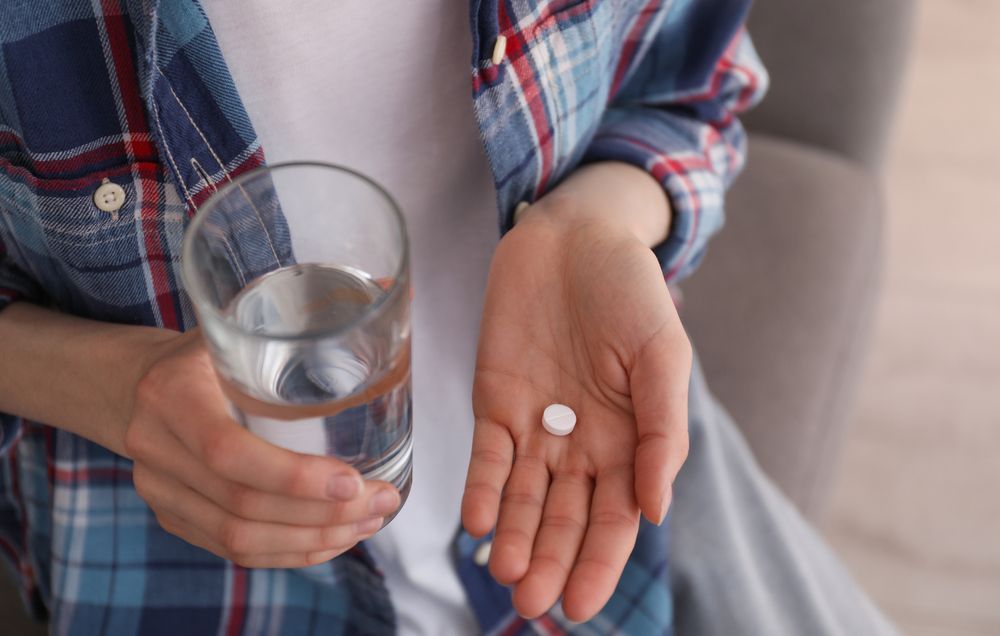
Plan B, also known as the “morning after pill,” is a form of emergency contraception. It contains levonorgestrel, a hormone that primarily delays ovulation.
Ovulation is when your ovary releases an egg. If sperm are present and an egg is released, pregnancy can occur. Plan B attempts to prevent that egg from being released in the first place.
However, Plan B does not:
- Work after implantation
- Stop fertilization if an egg is already released
If ovulation has already happened, Plan B cannot reverse it. That’s why timing matters so much. The success rate of Plan B depends largely on how soon it is taken:
- Within 24 hours: highest effectiveness
- Within 48 hours: effectiveness decreases
- Within 72 hours: lower effectiveness
- After ovulation: not effective
Because menstrual cycles vary and ovulation timing can shift, it’s difficult to know exactly where you are in your cycle unless you are closely tracking it. That uncertainty is what creates anxiety for many women.
Understanding Ovulation and Why It’s Hard to Predict
Ovulation does not always happen on the same day each month. Even women with regular cycles can ovulate earlier or later than expected due to several factors, such as stress, illness, travel, hormonal shifts, or changes in sleep.
Most women assume ovulation happens exactly in the middle of their cycle, but that is not always accurate. Since Plan B works by delaying ovulation, its effectiveness depends entirely on whether ovulation has already started. If an egg has already been released, Plan B cannot stop fertilization.
This is why two women can take Plan B within the same timeframe and have different outcomes. One may have taken it before ovulation. The other may have taken it just after.
If you’re unsure where you were in your cycle, it’s normal to feel uncertain while waiting.
Can Plan B Fail?
Yes, Plan B can fail. While emergency contraception is effective for many women, it is not guaranteed. If you are worried that Plan B failed, your concern is valid.
Many women assume that because it is widely available, it is foolproof. But the effectiveness depends on biological timing, not just whether you took the pill. Plan B may not work if:
- You were already ovulating
- It was taken too late
- Vomiting occurred within two hours of taking it
- Certain medications interfered
- Hormonal timing varies unexpectedly
Even when taken correctly, no emergency contraceptive has a 100% success rate. If you are searching and reading online, know that the most reliable indicator will not be a symptom. It will be a pregnancy test taken at the right time.
The success rate of Plan B decreases significantly the closer you are to ovulation. If ovulation has already occurred, the medication cannot stop fertilization or implantation. This doesn’t mean it failed automatically, but it does mean follow-up matters.
What Are the Chances of Plan B Not Working?
The chances of Plan B not working depend on several factors:
- Timing relative to ovulation
- How soon it was taken
- Hormonal fluctuations
- Body weight and metabolism
- Medication interactions
Because ovulation can happen earlier or later than expected in any given cycle, even women with regular periods can be surprised by their timing.
If you are unsure whether Plan B worked, watching your cycle and testing appropriately is the safest approach.
Signs That Plan B Didn’t Work
While symptoms alone cannot confirm pregnancy, there are certain changes that may indicate Plan B didn’t work.
A Missed Period
A delayed period is one of the most common signs that Plan B may not have worked. Plan B can cause your period to come earlier or later. However, if your period is more than seven days late, you should take a pregnancy test.
While we know waiting can be difficult, testing too early may produce false negatives.
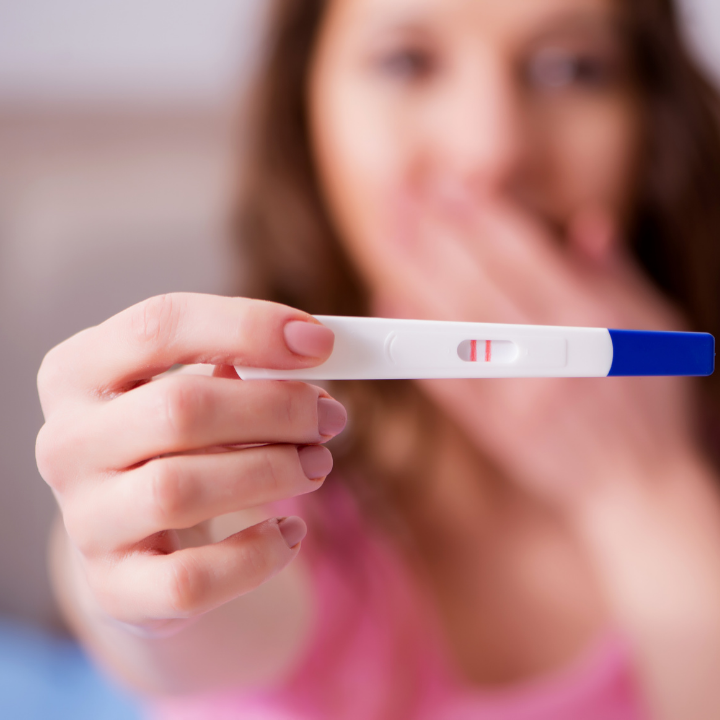
A Positive Pregnancy Test
A home pregnancy test can typically detect pregnancy 10–14 days after sex. A positive test means Plan B did not prevent pregnancy.
If you receive a positive result, the next step is confirming your pregnancy with a medical professional.
Ongoing Pregnancy Symptoms
Some women experience early symptoms such as:
- Breast tenderness
- Nausea
- Fatigue
- Frequent urination
- Heightened sense of smell
These symptoms may overlap with Plan B side effects, so you cannot rely on symptoms alone.
Emotional Signs You May Be Feeling
While we often focus on physical signs, emotional symptoms can be just as intense. You may notice:
- Heightened anxiety
- Irritability
- Mood swings
- Trouble sleeping
- Obsessive symptom checking
Hormonal shifts after Plan B can affect mood. Anxiety can also stem from uncertainty. If you find yourself repeatedly searching online for reassurance, it may be a sign that you’re hoping for clearer answers about what’s happening in your body.
Clear medical confirmation can bring peace of mind, whether the result is positive or negative.
If you’re feeling unsure about what’s happening, you don’t have to navigate the waiting alone. Our clinic offers free pregnancy testing and pregnancy confirming ultrasounds in a confidential, supportive environment. Getting clear medical information can help you understand your next steps with confidence.
What Are Signs That Plan B Has Worked?
Many women hope for a clear sign that everything is okay. However, there is no immediate physical feeling that confirms Plan B worked. Possible indicators include:
- Your period arrives within a normal timeframe
- A pregnancy test is negative after 10–14 days
- No ongoing pregnancy symptoms
Cramping or bleeding alone does not confirm effectiveness.
Does Cramping After Plan B Mean It’s Working?
Cramping is a common side effect after taking Plan B. Hormone shifts can cause temporary uterine contractions. However, cramping does not mean the medication worked.
Cramping may occur because:
- Your cycle is adjusting
- Hormones are shifting
- Your period is approaching
Some women experience cramping whether Plan B worked or not.
How Long Do Cramps Last After Taking the Morning After Pill?
Cramping may last:
- A few hours
- A few days
- Until your next menstrual period
If cramping is severe, sharp on one side, or accompanied by dizziness, shoulder pain, or fainting, medical evaluation is important to rule out complications.
How Stress Can Affect Your Period After Plan B
After taking Plan B, it’s easy to monitor every small change in your body. But something many women don’t realize is that stress alone can delay their period.
When you are under emotional strain, your body produces higher levels of cortisol (the stress hormone). Elevated stress can temporarily disrupt hormonal signals that regulate your menstrual cycle.
That means:
- Your period may come earlier or later than expected
- Bleeding may be lighter or heavier
- You may experience spotting before your actual cycle
If you’re constantly worrying about whether Plan B failed, that stress may unintentionally contribute to changes in your cycle timing. This can create a frustrating loop: you feel anxious, your period is delayed, anxiety increases, and the delay continues.
While this doesn’t mean pregnancy is impossible, it does mean that timing alone isn’t always a clear indicator. A pregnancy test provides much more reliable information than guessing based on cycle changes.
If your period is late, a pregnancy test can help you know what’s going on.
Does Bleeding Mean Plan B Worked?
Spotting or light bleeding after Plan B is common. However, bleeding does not confirm that pregnancy was prevented.
Hormonal changes can trigger temporary bleeding that is not the same as your regular period. If your normal period does not arrive within a week of when expected, take a pregnancy test.
What Kind of Cramps Indicate Pregnancy?
Early pregnancy cramping can feel very similar to menstrual cramps. Some women experience:
- Mild lower abdominal discomfort
- A pulling sensation
- Light spotting
Because these symptoms overlap with Plan B side effects, cramps alone cannot confirm pregnancy. Testing remains the only reliable method.
What Cancels Out Plan B Pill?
Certain factors may reduce effectiveness:
- Taking it after ovulation
- Vomiting shortly after taking it
- Certain medications
- Hormonal variability
If you suspect Plan B may not have been absorbed properly, medical guidance is helpful.
Does Body Weight Affect Plan B Effectiveness?
Another common concern is whether body weight affects the success rate of Plan B.
Some research suggests that emergency contraception containing levonorgestrel (the active ingredient in Plan B) may be less effective for women above a certain body weight or BMI. While the data is still debated and not fully conclusive, some studies indicate reduced effectiveness in women over approximately 165 pounds.
This does not mean Plan B will not work. It simply means that effectiveness may vary. If you are wondering about your personal chances of Plan B not working, factors like:
- timing in your cycle
- body weight
- hormonal variation
- medication interactions
All of these factors can play a role. Testing is the only reliable way to know whether Plan B failed or worked as intended.
Common Myths About Plan B
There is a lot of misinformation surrounding emergency contraception. Let’s clear up a few common myths:
Myth 1: If you bleed, it worked.
Bleeding does not confirm effectiveness.
Myth 2: It works the same for everyone.
Hormonal timing varies.
Myth 3: You’ll definitely know if it failed.
Many women do not feel dramatically different either way. Understanding these myths can reduce unnecessary panic.
What to Expect Over the Next 30 Days
The weeks after taking Plan B can feel uncertain. You may experience:
- Irregular bleeding
- Spotting
- A delayed period
- Hormonal mood changes
- Temporary nausea
Try to avoid overanalyzing every symptom. Focus on testing at the appropriate time and seeking medical confirmation if needed. Uncertainty is uncomfortable, but clear information helps reduce fear.
When Should You Take a Pregnancy Test?
For the most accurate results:
- Test 10–14 days after sex
- Or test if your period is more than seven days late
If the test is negative but your period does not arrive, test again in a few days.
Why Ultrasound Matters
If your pregnancy test is positive, an ultrasound provides essential information. An ultrasound confirms:
- Whether the pregnancy is viable (if the pregnancy has a heartbeat and is progressing)
- How far along you are (also known as gestational age)
- Whether the pregnancy is in the uterus.
An ectopic pregnancy cannot be treated with emergency contraception and requires immediate medical care. An ultrasound can confirm that the pregnancy is in the uterus.
Why Ectopic Pregnancy Is Important to Rule Out
An ectopic pregnancy occurs when a fertilized egg implants outside the uterus, most commonly in the fallopian tube. Symptoms can include:
- Sharp, one-sided abdominal pain
- Shoulder pain
- Dizziness
- Fainting
- Heavy bleeding
Plan B cannot treat an ectopic pregnancy. While ectopic pregnancy is rare, it is serious. That is why ultrasound confirmation is important if a pregnancy test is positive. Knowing the location of the pregnancy protects your health before deciding what’s next.
Why Verification Protects Your Health
Confirming your pregnancy medically also gives you:
- Accurate dating
- Confirmation of location
- Clarity about options
- Protection against complications
About 10–20% of known pregnancies end in miscarriage. If a pregnancy is not viable, medical guidance differs from that of a normally progressing pregnancy.
Knowing what is happening in your body allows you to make decisions from a place of information rather than fear.
What to Do If Plan B Failed
If you take a pregnancy test and it is positive, you may immediately feel overwhelmed. Try to pause and take a breath. A positive test does not mean you must make a rushed decision.
Your next steps should include:
- Confirming your pregnancy with medical pregnancy testing
- Determining how far along you are
- Confirming whether the pregnancy is located in the uterus
- Reviewing all available pregnancy options
This is especially important because gestational age affects medical options and timelines.
Many women feel pressure to “fix it quickly.” But making a decision based on panic rarely leads to clarity. Taking time to gather accurate medical information allows you to make a fully informed choice. Whether Plan B failed or worked, your health and safety come first.
Why Online Information Can Increase Confusion
The internet offers a wide range of answers, and not all of them are helpful. Some articles rely on extreme stories. Others give medical information without context. Some forums include personal experiences that may not apply to your situation at all.
While online research can be informative, it can also:
- Increase anxiety
- Lead to symptom comparison
- Cause you to misinterpret normal side effects
- Delay testing because you’re looking for reassurance
Your body is unique. Comparing your symptoms to someone else’s story rarely provides certainty. The only way to truly know whether Plan B failed is through testing and, if needed, ultrasound confirmation.
You deserve answers based on medical facts - not internet speculation.
You Have Options
Uncertainty often feels worse than the answer itself. When you don’t know whether Plan B worked, your mind may imagine worst-case scenarios. Getting a pregnancy test and, if needed, an ultrasound gives you concrete information.
Even if the result is not what you hoped, knowing allows you to move forward with clarity. You deserve to make decisions from a place of information, not fear. At our clinic, we offer:
- Free pregnancy testing
- Free pregnancy confirming ultrasounds
- A calm, confidential space to ask questions
When you don’t know whether Plan B worked, your mind may imagine worst-case scenarios. We invite you to visit us first. Before making any decisions, get accurate medical information in a supportive environment.
You deserve clarity and compassionate care. You also need the time to make informed decisions about your body and your next steps. We are here to walk with you through the waiting - one step at a time.
Schedule a free, confidential appointment to discuss your unique situation in a safe, non-judgmental space.
Sources: