Can You Have Unprotected Sex During Ovulation and Not Get Pregnant?

August 11, 2025

 Can You Have Unprotected Sex During Ovulation and Not Get Pregnant?

If you’ve ever wondered whether it’s possible to have unprotected sex during ovulation and not get pregnant, you’re not alone. It's a common and valid question—especially for those trying to understand their fertility, prevent pregnancy, or plan for the future.

The truth is, yes, it is possible to have unprotected sex during ovulation and not become pregnant. But it's also important to understand that the risk of pregnancy is significantly higher during this time.


Ovulation is when an egg is released from the ovary and is most available for fertilization. Sperm can live inside the reproductive tract for up to five days, which means unprotected sex before, during, or shortly after ovulation can lead to pregnancy.


Still, several individual factors can affect fertility, such as:


  • Age
  • Hormonal balance
  • Weight and nutrition
  • Exercise and stress levels
  • Smoking or alcohol use
  • Genetic factors


If you’re trying to avoid pregnancy, the safest approach is to avoid unprotected sex altogether. But if you’re simply looking to understand your body better, it’s helpful to learn when pregnancy is most likely—and when it’s less so.  At our center we offer free educational resources and a safe place to ask questions about reproductive health, birth control, and fertility.


Fertility Rates Throughout the Menstrual Cycle

Pregnancy is most likely to occur in the days leading up to and including ovulation. Here's a breakdown of estimated chances of pregnancy based on timing:


  • 3 days before ovulation: 27%
  • 2 days before ovulation: 33%
  • 1 day before ovulation: 41%
  • Day of ovulation: 20%
  • 1 day after ovulation: 8%


(Source: FertilityFriend )


If you’re hoping to become pregnant, tracking your ovulation cycle and timing intercourse around these fertile days can increase your chances. However, even during the most fertile window, pregnancy is not guaranteed—and that’s completely normal.


How Age Affects Fertility

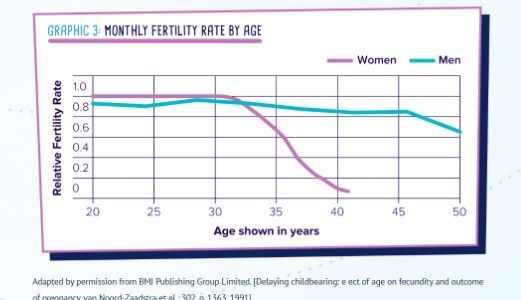
Fertility naturally decreases with age. According to the British Fertility Society, fertility starts to decline more rapidly after age 32. This means that unprotected sex becomes less likely to result in pregnancy as age increases, but the possibility is still there.

Understanding your personal fertility can help guide your decisions. If you have questions about fertility testing or tracking, we’d be happy to help you explore your options.


Common Pregnancy Misconceptions

Some people believe that pregnancy can’t happen:

  • During their period
  • If the male partner pulls out before ejaculation
  • When using certain birth control methods


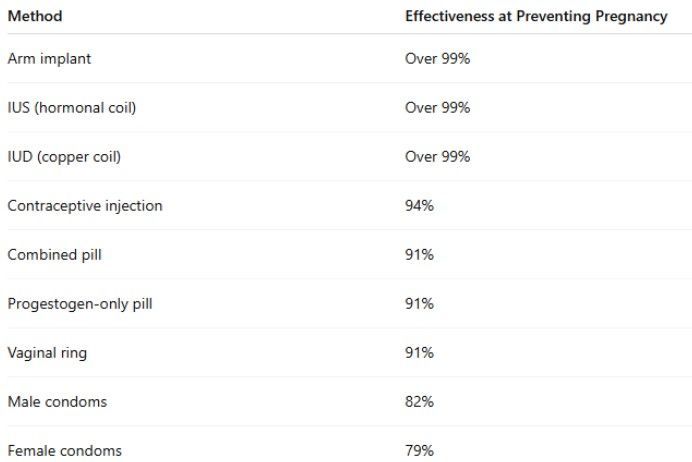
However, none of these are 100% reliable. Even with birth control, there’s always a small chance of becoming pregnant. Here’s a look at typical effectiveness rates:(Source: NHS Contraception Guide)
So, Can You Have Unprotected Sex During Ovulation and Not Get Pregnant?

Yes—it is possible. But the chances of pregnancy are highest during ovulation, and those chances can vary depending on your age, cycle regularity, and overall health.


If you’re not trying to conceive, unprotected sex always carries a degree of risk. But if you're unsure what that means for you personally, or you'd like help understanding your fertility or prevention options, we’re here for you. At our center, we offer confidential, no-cost education and support to help you make informed choices about your body and your future.


Is Surgical Abortion the Only Option for the Second Trimester?
By Life Advancement Group November 17, 2025
If you’re in your second trimester and exploring pregnancy options, you may wonder: Is surgical abortion the only choice at this stage?
How Soon Can I Take a Pregnancy Test?
By Life Advancement Group November 10, 2025
If you think you may be pregnant, one of the first questions on your mind is probably: “How soon can I take a pregnancy test?”
Can You Get Pregnant Right After Your Period?
By Life Advancement Group November 3, 2025
Understanding how your cycle works is not always easy, but learning the timing of your unique fertile window can help you make informed decisions for your future.
Does Plan B Ever Fail?
By Life Advancement Group October 27, 2025
Plan B is commonly used after unprotected sex, but it's not foolproof. Its effectiveness depends on several key factors
How Can I Manage My Anxiety During Pregnancy?
By Life Advancement Group October 13, 2025
It’s normal to feel anxious during pregnancy—especially with the physical, emotional, and lifestyle changes you're experiencing.
Do Breasts Hurt in Early Pregnancy?
By Life Advancement Group October 6, 2025
It might feel confusing or even alarming — especially if the pregnancy was unexpected — but you’re not alone in wondering what’s going on.
By Life Advancement Group October 1, 2025
Can Pregnant Women Drink Red Bull?
By Life Advancement Group September 22, 2025
What Are the Potential Complications of Abortion?
By Luke Patterson September 8, 2025
How Risky Is Abortion?
July 21, 2025
If you’re wondering when you might be able to get pregnant again after an abortion, you’re not alone—and your question is completely valid. An abortion ends an existing pregnancy, but it doesn’t change how your reproductive system works going forward. That means if you have unprotected sex after an abortion, you can become pregnant again—sometimes sooner than you might expect. Even while you’re still recovering or experiencing symptoms like bleeding or nausea from elevated hCG levels, ovulation can occur. In fact, some medical literature suggests it’s possible to conceive as soon as five days after the procedure. If you’re not ready to become pregnant right away, it may help to talk with your healthcare provider about birth control options that fit your body and your goals. You’re also always welcome at our center, where we provide a safe space to ask questions, explore your options, and get reliable information—all at no cost to you. Understanding the Difference: Birth Control vs. Abortion It’s easy to feel confused about how birth control and abortion differ, especially when you’re sorting through a lot of information. You need to understand the process of conception first. Here is a simplified explanation: Pregnancy begins when a sperm cell fertilizes an egg, forming a zygote. This single cell carries the full set of DNA from both biological parents. The zygote travels through the fallopian tube to the uterus, where it becomes a blastocyst and implants into the uterine lining. At that point, an amniotic sac begins forming around the embryo. Birth control works by preventing this process from starting—either by stopping ovulation, blocking sperm, or preventing fertilization. Abortion, by contrast, ends a pregnancy that has already begun. It doesn’t stop your body from ovulating in the future, nor does it prevent sperm from reaching the egg or implantation from occurring. That’s why your fertility can return quickly after an abortion, and pregnancy may be possible within just days. Unprotected Sex and Pregnancy Risk Understanding how pregnancy happens can help you make informed decisions. Unprotected sex can lead to pregnancy even when timing doesn’t seem ideal—during your period, after an abortion, or while on birth control. The chance of pregnancy varies based on individual factors like hormone levels, cycle timing, and overall health. However, it is still possible to become pregnant: While using contraception (especially if not used perfectly) During your period or in between cycles From ejaculation near the vaginal opening (even without penetration) Even if you’ve received gender-affirming care, such as testosterone—if you still have a uterus and ovaries, pregnancy can occur So, How Soon Can You Get Pregnant After an Abortion? The short answer: very soon—sometimes in less than a week. Because ovulation can return quickly, it’s important to know that unprotected sex at any time can lead to pregnancy, even shortly after an abortion. If you’re unsure about your fertility, birth control options, or next steps, we're here to help. At our center, you’ll find a judgment-free place to ask questions and get support—whatever you’re facing. All our services are offered at no cost, and you’re welcome here.
More Posts